Ever wondered what happens during sclerotherapy — beyond the quick injection and that pleasant sigh of relief? For countless patients at Miami Vein Institute, sclerotherapy has gone from mystery to milestone on their journey to healthier, smoother legs. This minimally invasive procedure transforms not only how veins look, but how they feel — and how people feel about their legs. Read on to unravel the step‑by‑step reality of sclerotherapy and why many patients view it as their move from veins to victory.
If visible spider veins and small varicose veins have been tagging along on your daily adventures, you’re not alone — and you certainly aren’t stuck with them. Sclerotherapy targets those pesky vessels that make legs ache, cramp, or simply feel seen when you just want to feel confident. Let’s peel back the curtain on the whole process: from consultation to post‑care, and what your experience will really be like.
The Sclerotherapy Basics: What It Treats and Why
Sclerotherapy treats spider veins and smaller varicose veins — the superficial culprits that twist and weave across the skin’s surface. These veins often aren’t just cosmetic nuisances; they can cause aching, burning, swelling, and nighttime cramps. Sclerotherapy’s goal is to permanently close these problematic veins so blood reroutes through healthier pathways and symptoms ease.
The procedure has stood the test of time: it’s been used for vein care since the 1930s and remains one of the most trusted treatments for suitable veins.
At Miami Vein Institute, the process begins long before the needle touches skin. A detailed consultation and often ultrasound imaging help map your veins and ensure sclerotherapy fits your goals — whether functional relief, cosmetic improvement, or both.
Here’s What Actually Happens During Sclerotherapy
A Warm Welcome and Personalized Planning
Before anything else, you’ll sit down with a specialist who listens — really listens — to your concerns and answers your questions. They’ll review your medical history, examine your leg veins, and possibly recommend imaging if deeper veins need evaluation. This personalized approach helps ensure you’re a good candidate for sclerotherapy and clarifies what you can realistically expect.
Cleaning and Preparation
Once you’re ready, the treatment area is cleansed, and you’ll get comfortable on an exam table. There’s no general anesthesia — just a bit of local numbing to keep you relaxed and comfortable throughout.
Step‑by‑Step Injection (With High Precision)
Here comes the heart of the matter: tiny, incredibly fine needles are used to inject a sclerosing solution directly into the targeted vein. This liquid gently irritates the inner lining of the vein, triggering a controlled response where the vessel walls swell, stick together, and eventually seal shut.
Picture each injection like sending a signal to the body: “Time to retire this vein.” The vein gradually collapses, becomes scar tissue, and over the coming weeks, your body absorbs it and redirects blood through healthier veins.
Most patients describe mild sensations — a brief pinch, slight burning, or tiny cramps — during injection, particularly with larger veins, but any discomfort is short‑lived and part of the process.
A Victory March — One Injection at a Time
The number of injections depends on how many veins need attention. A session typically lasts 15–45 minutes, depending on how much territory your specialist is navigating that day.
But here’s the best part: it’s in‑office, you go home the same day, and you can usually walk out and about immediately after. No recovery room, no general anesthesia, no long weekend of bed rest.
What Happens Afterward: The Real Recovery
Keep Moving and Stay Comfy
Walking right after your session isn’t just okay — it’s encouraged. Light movement helps stimulate circulation and supports the body’s healing response. Most people go back to normal activities the very same day.
Compression and Aftercare
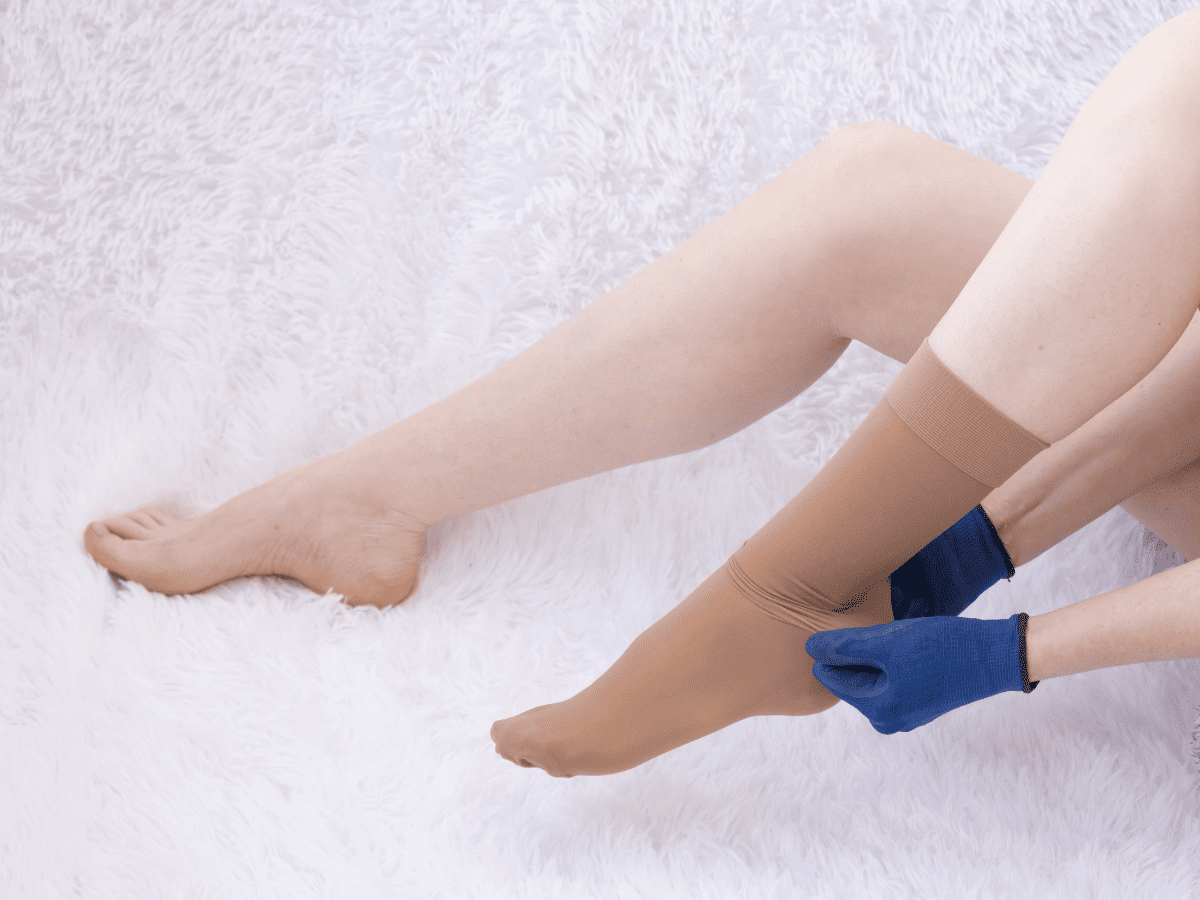
Your specialist will recommend wearing compression stockings for a period of time after the procedure. This isn’t just fashion advice — compression helps your legs heal while reducing swelling and promoting healthy blood flow around the treated areas.
In the first 24–48 hours, you may need to avoid strenuous workouts, hot baths, or extended sun exposure to protect the tiny treated spots. Showering is okay, but keep the water gentle.
Patience Is Part of the Victory
Unlike some cosmetic treatments where results are immediate, sclerotherapy takes time to show its true colors. Spider veins often begin fading in about three to six weeks, while larger veins can take three to four months to disappear as your body absorbs them.
Keep in mind: treated veins typically do not reappear, but new veins may show up over time. Periodic maintenance sessions can help keep your legs looking and feeling their best.
What You Might Feel and See During Healing
Everyone’s journey is a little different, but most people notice mild bruising, small red markings at injection sites, or temporary swelling. These side effects are normal and usually fade within a few days to weeks.
Some veins may appear darker before fading — a sign that your body is breaking them down. Over time, they’ll soften and gradually blend into your skin’s natural tone.
Rare risks can include allergic reactions, blood clots, or inflammation — but these are uncommon when sclerotherapy is performed by experienced professionals.
From Consultation to Confidence With Miami Vein Institute
The path from “veins” to “victory” isn’t just about a medical procedure — it’s about the confidence and comfort that come afterward. At Miami Vein Institute, your experience with sclerotherapy starts with attentive evaluation, proceeds through skilled, personalized treatment, and continues with supportive care tailored to your needs.
Whether you’re addressing spider veins for cosmetic reasons or easing symptoms that affect your daily life, understanding what happens during sclerotherapy helps you feel prepared and empowered. With compassionate guidance and advanced treatments, we’re dedicated to helping you step into each day with healthier, happier legs. Reach out to our team to learn how sclerotherapy might fit into your vein care journey and get ready to celebrate your own victories.
Frequently Asked Questions
What exactly happens during sclerotherapy?
During sclerotherapy, a specialist injects a chemical solution into problem veins, causing them to collapse and seal shut. Once closed, those veins are gradually absorbed by the body and fade from view.
Is sclerotherapy painful?
Most people feel only mild discomfort during injection, such as a quick pinch or slight cramping. Any sensations tend to last just a few minutes and are well‑tolerated.
How long does a sclerotherapy session take?
A typical session lasts about 15–45 minutes, depending on how many veins are being treated in one visit.
What should I expect after treatment?
After sclerotherapy, you can usually resume normal activities the same day, though your provider may ask you to wear compression stockings and avoid strenuous activity for a short period.
When will I see results from sclerotherapy?
Spider veins often begin to fade within three to six weeks, while larger veins may take up to three or four months as the body breaks them down.