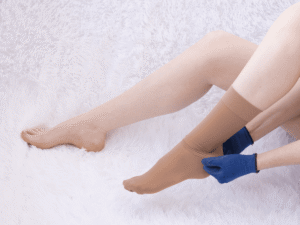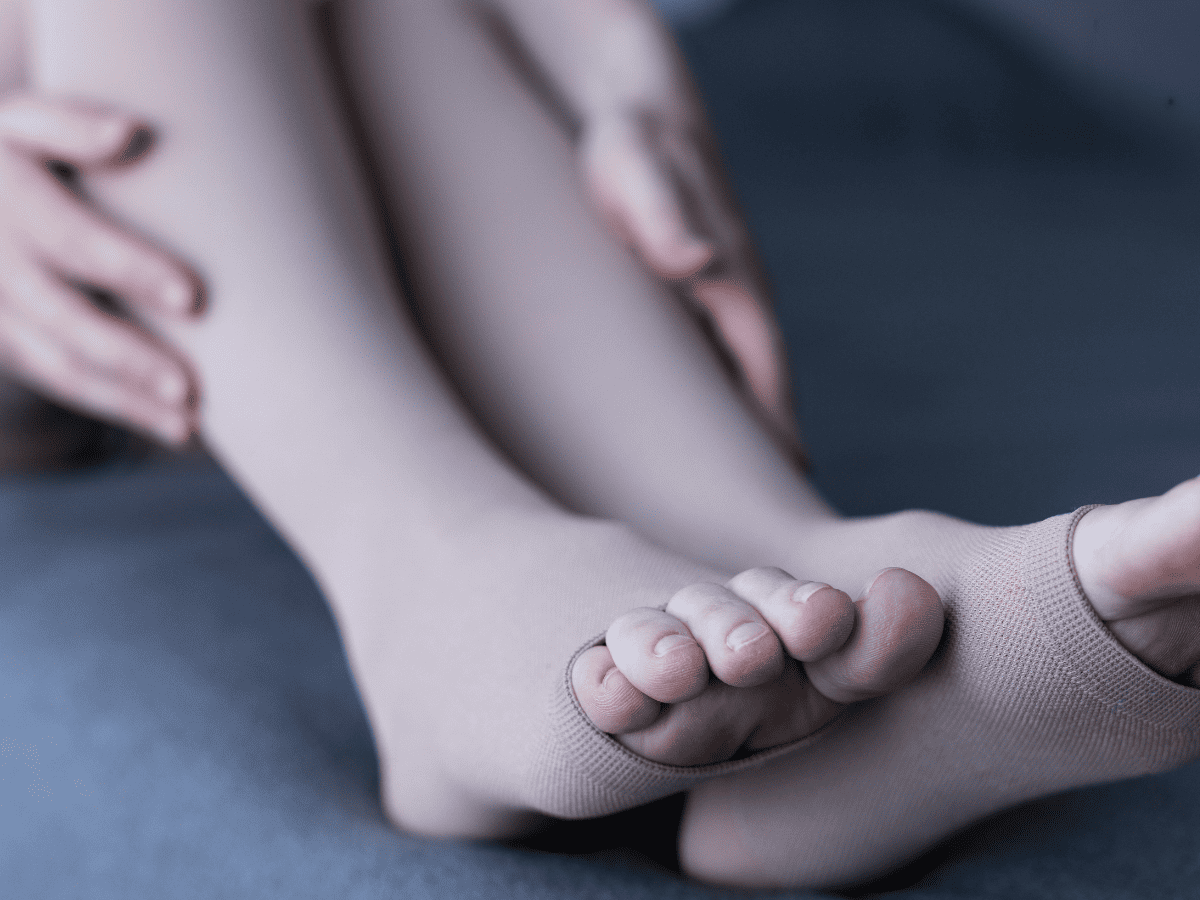
If you’ve ever stepped off a long flight feeling like your legs belong to someone else, you’re not alone — and travelers swear by compression stockings for good reason. Compression stockings for travel are more than a quirky accessory; they’re a smart way to keep circulation humming, reduce swelling, and arrive at your destination feeling adventure‑ready. Everyday adventurers, globetrotters, and even seasoned flight attendants often pack them as essential travel gear. Join the ranks of savvy travelers who understand that great trips start with comfortable, healthy legs. Contact Miami Vein Institute today.
Before we dive into how compression stockings can help you, imagine this: you’re on a 10‑hour flight, cramped like a spring roll in tight space, and by the time you land, your legs are swollen, heavy, and begging for mercy. Sound familiar? Compression stockings — snug, graduated hosiery that gently squeezes your lower limbs — are designed to keep blood moving efficiently when you’re sitting for long periods. That’s key during travel, because sitting still for hours can slow circulation, cause fluid buildup, and even increase the risk of blood clots.
Whether you’re backpacking through Europe or heading to a family reunion across the country, compression stockings help turn dreaded travel days into more comfortable experiences — and that’s exactly why seasoned travelers don’t leave home without them.
Why Compression Stockings Matter on the Road (and in the Air)
Travel is inherently sedentary, especially when airplanes, trains, and cars are involved. Staying still for too long can allow blood to pool in your legs and feet, leading to discomfort, swelling, and even circulation problems like deep vein thrombosis (DVT).
Compression stockings work by applying graduated pressure — tightest at the ankle, gradually loosening up the leg — to support healthy blood flow and reduce the chance of blood pooling in the lower limbs. This action mimics the natural pumping effect of your calf muscles and keeps your circulatory system active even when your body isn’t.
And that’s not just travel folklore: research shows that wearing medically graded compression stockings on long trips can reduce the incidence of DVT and decrease leg swelling.
Real Traveler Tales: Legs That Didn’t Quit
Sam’s 12‑Hour Flight Win
Sam, a 34‑year‑old consultant with a love for weekend getaways, used to dread redeye flights. On one transcontinental leg, she’d typically land with swollen ankles and throbbing calves that made her want to crawl before she walked into her hotel. Everything changed when she picked up a pair of compression stockings recommended by a fellow traveler.
She slipped them on before boarding and said goodbye to that dreaded “pillow foot” feeling. Instead of hobbling toward baggage claim, Sam strolled out feeling fresh and eager to explore. She jokes now that compression stockings are her travel “secret weapon” — cheap, lightweight, and way more effective than extra insoles.
A Backpacker’s Badge of Comfort
For backpacker Zoe, long bus rides through winding mountain roads used to leave her feet feeling like they were auditioning for their own evolution — from foot to balloon. A seasoned voyager told her about compression stockings for travel, and she figured, why not? After all, she already packed essentials like bug spray and adventure blush.
From the Andes to the Amalfi Coast, compression stockings helped minimize swelling during those marathon rides between destinations. Instead of flopping onto her hostel bed after hours on the road, she had more energy to wander local markets or chase sunset viewpoints. Less leg fatigue, more spontaneous detours — that’s the real travel magic.
What Compression Stockings Actually Do for Travelers
Keep Blood Flowing, Even When You’re Not
When you’re seated for long periods — especially during flights of six hours or more — circulation in your legs naturally slows. This can cause fluid to pool in your calves and feet, leading to swelling and a heavy feeling. Graduated compression stockings support your veins and help blood move upward toward your heart, reducing that fluid buildup and keeping discomfort at bay.
Beyond comfort, this improved circulation is part of why compression gear is recommended for people with existing vein concerns, including varicose veins or chronic venous insufficiency. Keeping blood moving efficiently reduces pressure in the leg veins and can help prevent complications associated with poor circulation.
Soothe Swelling and Fatigue
Few things sap your excitement more than swollen, tired legs right when you want to explore. Compression stockings help limit leg swelling by gently supporting vein walls and reducing fluid accumulation during long periods of rest.
It’s the same reason athletes use compression gear during recovery: it reduces the build‑up of metabolic waste and supports quicker relief — just without the gym fees. Even travelers without serious circulation issues report feeling “less blegh” at the end of long journeys when wearing them.
Add a Layer of Protection
For some travelers — particularly those over 40, with a history of varicose veins, or with past clotting events — compression stockings aren’t just comfort gear — they’re recommended by doctors to help reduce the odds of dangerous blood clots during long travel.
Of course, not everyone needs them for medical reasons. But the peace of mind that comes with knowing you’re proactively supporting your leg health? That’s part of the reason adventurous people swear by them.
Tips for Packing and Wearing Compression Stockings
- Choose the right fit: Look for graduated compression levels (often 15–30 mmHg) and have your legs measured if possible.
- Wear them before you go: Put them on early in the morning or before boarding to start circulation support right away.
- Pair with movement: Stand up, walk the aisle, and do ankle rolls during travel to maximize circulation.
- Stay hydrated: Drinking water complements the circulation support by keeping blood volume balanced.
Pack Your Legs for Adventure With Miami Vein Institute
Whether you’re headed to the beach, trekking through rainforests, or hopping on a cross‑country flight, it’s worth prepping your legs for the journey ahead. Compression stockings for travel aren’t just a travel “hack” — they’re a smart move for keeping circulation strong, swelling down, and spirits high. At Miami Vein Institute, we help patients understand how vein health impacts every part of life — even those thrilling adventure plans. From lifestyle tips to treatments for vein conditions, we support you in keeping legs healthy and ready for wherever your next adventure leads. Reach out to learn how to travel comfortably and protect your vein health with compression and expert guidance.
Frequently Asked Questions
Are compression stockings worth it for travel?
Yes — compression stockings help support blood flow during long flights or car rides, reducing swelling and discomfort in the legs. They can also contribute to healthier circulation during prolonged sitting.
Do compression stockings prevent blood clots?
For travelers with certain risk factors, compression stockings can reduce the risk of developing blood clots like DVT during long periods of immobility. They’re most effective when combined with regular movement and hydration.
How tight should travel compression stockings be?
Look for graduated compression in the 15–30 mmHg range, which provides support without being overly restrictive. Proper fit is important, so measuring your calf and ankle can help.
Can anyone wear compression stockings while traveling?
Most healthy travelers can wear them comfortably, though people with certain circulation issues or fragile skin should talk with a healthcare provider first.
When should I put on compression stockings for a flight?
Put them on before your journey begins — ideally before boarding — so they can start supporting circulation from the outset.