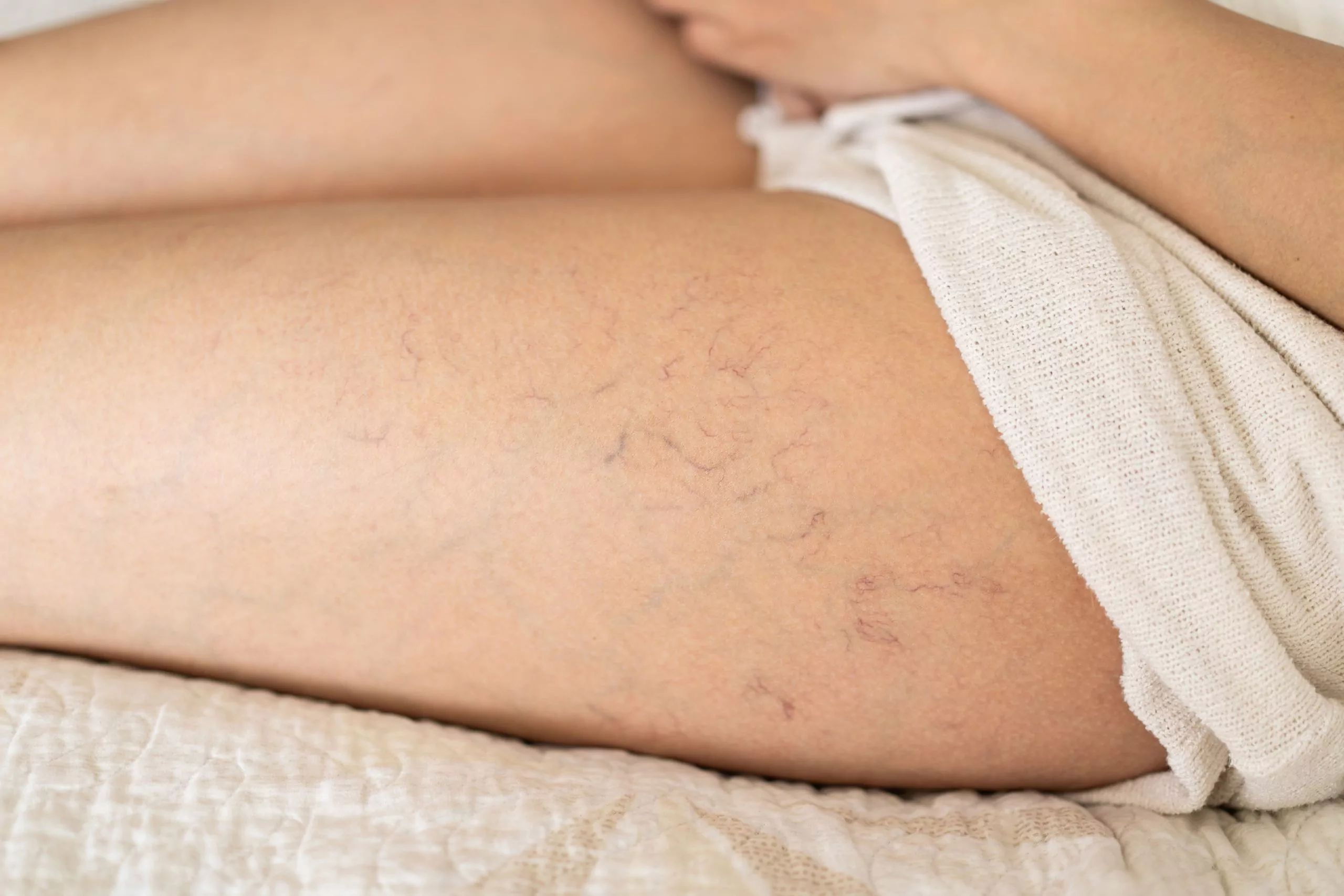
Spider veins aren’t always just a cosmetic concern — in some cases, they may hint at underlying venous issues that deserve attention. This article explores what it means when spider veins are more than skin deep, including symptoms, risk factors, and when to seek expert evaluation. We’ll also explain why comprehensive care at Miami Vein Institute matters for both health and confidence. If you’re noticing discomfort or changes in your veins, schedule a consultation to explore your vein treatment options.
_____________________________________________________________________________________
Many people notice spider veins first because of how they look, but these tiny visible vessels can sometimes be associated with deeper venous insufficiency or circulation problems rather than only surface-level cosmetic concerns. Even when largely benign, spider veins can cause mild symptoms like aching, itching, or heaviness. It’s important to understand what warning signs may indicate deeper venous issues rather than purely superficial changes. Recognizing the difference empowers you to seek appropriate care and protect your overall vascular health.
For millions of people, spider veins are a familiar sight — thin red, blue, or purple lines just beneath the skin’s surface that remind us of busy days on our feet or genetics at work. But what if those webs of veins are telling a story that goes beyond aesthetics? Understanding when spider veins are more than skin deep can help you decide whether to watch and wait, make lifestyle changes, or pursue medical evaluation and treatment.
What Are Spider Veins and Why They Form
Spider veins, medically known as telangiectasias, are clusters of tiny damaged blood vessels visible just under the skin, typically on the legs or face. They may appear red, blue, or purple and often resemble a spider’s web or branching lines. Though largely harmless and cosmetic for many, they can occasionally signal a deeper issue with vein function. Spider veins form when tiny valves within these superficial vessels weaken, allowing blood to pool rather than flow smoothly back toward the heart. Risk factors include heredity, hormonal influences, pregnancy, aging, prolonged sitting or standing, and obesity.
Because spider veins involve small superficial vessels, they do not always indicate serious disease. However, they may share causes with larger varicose veins — particularly when underlying venous insufficiency allows backflow of blood into deeper systems. In these cases, what starts as spider veins might coexist with or point toward more significant dysfunction below the surface.
Signs That Spider Veins Could Be More Than Cosmetic
Most spider veins only affect appearance and rarely lead to serious health problems. But certain signs suggest that deeper venous issues might be present:
- Persistent discomfort: aching, throbbing, heaviness, or cramping in the legs, especially after long periods of standing or sitting.
- Swelling or skin changes: redness, discoloration, or visible skin texture differences near the veins.
- Itching or burning: these symptoms around the veins — more than what would be expected from simple aesthetic concerns.
- History of varicose veins: having larger, bulging veins increases the likelihood that smaller spider veins are a symptom of broader venous insufficiency rather than isolated cosmetic changes.
- Ulceration or bleeding: in rare cases, skin breakdown or ulcer formation may occur when venous pressure is chronically elevated.
If these symptoms are present, it’s wise to seek a professional evaluation. A vein specialist can assess whether spider veins are purely superficial or linked to deeper venous dysfunction that could require targeted treatment.
How Deeper Venous Insufficiency Develops
Deeper venous insufficiency occurs when valves inside larger veins — particularly those in the legs — fail to function properly. Healthy venous valves open to let blood flow toward the heart, then close to prevent backflow. Over time, valve weakness or damage allows blood to pool and increases pressure within the vein. This pressure doesn’t just affect one vein; it can overload nearby venous networks and manifest as both larger varicose veins and smaller spider veins.
This pooling effect can contribute to a range of symptoms beyond visible veins, including leg pain, heaviness, fatigue after activity, and swelling. Left unchecked, chronic venous insufficiency can lead to more serious complications such as skin changes, ulcers, or superficial thrombophlebitis, though these are uncommon. Spotting early signs and seeking evaluation helps protect vascular health and comfort over time.
Diagnostic Tools That Reveal the Full Picture
Evaluating whether spider veins are more than surface-level begins with a detailed history and physical exam. Vein specialists often use diagnostic ultrasound — a non-invasive imaging method that reveals blood flow patterns and valve function beneath the skin. This deeper look can uncover venous reflux or insufficiency that isn’t visible on the surface. Identifying these underlying issues allows clinicians to tailor treatment plans that address both cosmetic concerns and functional vein disease.
For example, duplex ultrasound can pinpoint whether blood is flowing backward in deeper veins, providing the evidence needed to recommend procedures like VenaCure EVLT or other advanced therapies when appropriate. Without this information, a treatment plan might only mask surface symptoms without addressing the root cause.
Treatment Options: From Cosmetic to Medical Therapies
Once spider veins or related symptoms are assessed, treatment options range from lifestyle measures to medical procedures depending on the underlying cause and patient goals. Here’s a breakdown of common approaches:
- Lifestyle adjustments: Improving circulation through exercise, elevating legs regularly, avoiding prolonged sitting or standing, and maintaining a healthy weight can reduce pressure on veins and slow progression.
- Compression therapy: Compression stockings help improve blood flow and may reduce swelling and discomfort; they’re often recommended alongside other treatments.
- Sclerotherapy: This remains the gold standard for treating cosmetic spider veins and smaller superficial veins, involving the injection of a solution that causes veins to collapse and fade over time.
- Advanced procedures: For deeper venous insufficiency or larger veins contributing to symptoms, minimally invasive procedures like VenaCure EVLT may be recommended. This laser-based treatment seals malfunctioning veins and reroutes blood through healthier vessels, offering both symptom relief and improved appearance.
Pairing superficial therapies with appropriate medical interventions ensures that both the look and health of your legs are addressed thoroughly.
Why Early Evaluation Matters
Getting an early, comprehensive evaluation from a qualified vein specialist can help you understand whether your spider veins are a primarily cosmetic issue or a sign of a deeper venous condition. Many people delay assessment because spider veins seem “just cosmetic,” but if discomfort, swelling, or heaviness is part of your experience, those symptoms deserve attention. Timely evaluation and treatment help reduce progression of venous insufficiency, manage symptoms effectively, and preserve leg health. And even if the primary concern is appearance, addressing underlying vein function first often improves cosmetic results and reduces the likelihood of recurrence.
Your Path to Healthier Legs at Miami Vein Institute
At Miami Vein Institute, our expert team provides compassionate, comprehensive care that looks beyond surface-level concerns to evaluate the full scope of your venous health. Whether you’re noticing spider veins, experiencing aching or discomfort, or curious about advanced therapies like VenaCure EVLT, we’re here to guide you through personalized treatment options tailored to your needs. Schedule a consultation to explore your vein health, address deeper concerns, and take confident steps toward healthier, more comfortable legs with care you can trust.
FAQ
What causes spider veins?
Spider veins form when tiny valves in superficial blood vessels weaken and allow blood to pool, creating visible red, blue, or purple lines near the skin’s surface. They often result from genetics, aging, hormonal changes, or pressure from prolonged standing.
Are spider veins dangerous?
In most cases, spider veins are not dangerous and are primarily a cosmetic concern that does not affect your overall health. However, if you experience pain, swelling, or skin changes near the veins, these symptoms may suggest deeper venous issues worth exploring with a specialist.
Can spider veins cause symptoms?
While many people with spider veins don’t experience discomfort, some individuals report itching, burning, heaviness, or aching in the legs, particularly after long periods of activity or standing. Persistent symptoms should be evaluated by a vein professional.
Is treatment always necessary for spider veins?
Treatment isn’t required for spider veins unless they cause symptoms or you want to improve their appearance. If deeper venous insufficiency is present, addressing the underlying condition alongside cosmetic treatment often yields better results.
What’s the difference between spider veins and varicose veins?
Spider veins are smaller, superficial clusters of visible vessels, while varicose veins are larger, bulging veins that can cause more significant symptoms and are more likely associated with underlying vein dysfunction. Both can share risk factors, but varicose veins generally warrant deeper evaluation and often require interventions like EVLT.