Leg color changes can be more than a cosmetic concern—they may signal underlying vein issues or circulation problems. A vein specialist at Miami Vein Institute can help determine whether discoloration is due to venous insufficiency, skin irritation, or another medical cause. With a careful exam, diagnostic ultrasound, and personalized treatment plan, most patients can improve both the appearance and comfort of their legs. If you’ve noticed redness, brownish patches, or blue-purple veins, scheduling an evaluation can help you understand what’s happening and how to address it.
It’s not uncommon to look down one day and notice your legs don’t look the same as they used to. When the skin tone shifts—whether it’s reddish, brownish, or bluish—it can feel alarming. While some changes are harmless and temporary, others can point to venous disease or circulation issues that deserve attention. Understanding why legs change color helps you recognize what’s normal, what’s not, and when to seek help.
Why Leg Color Changes Happen
Leg discoloration can occur for many reasons, and not all of them are related to veins. Common causes include:
- Sun exposure and pigmentation changes
- Skin conditions like eczema or dermatitis
- Medication side effects
- Inflammation or injury
- Venous insufficiency and poor circulation
When discoloration is tied to vein health, it’s often due to blood pooling in the lower legs. Veins contain valves that help blood return to the heart. When those valves weaken or become damaged, blood can flow backward and collect in the legs. This creates pressure in the veins and can lead to visible changes in the skin over time.
Recognizing Vein-Related Color Changes
Vein-related discoloration usually has specific patterns and symptoms. You may notice:
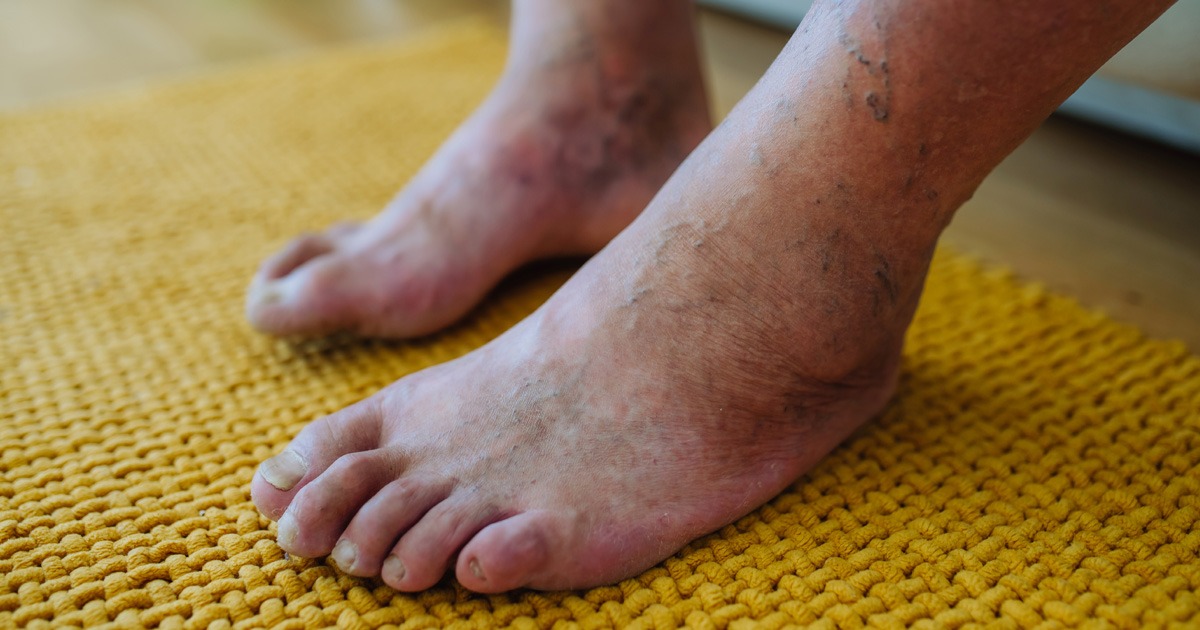
- Brownish or rust-colored patches around the ankles or lower legs
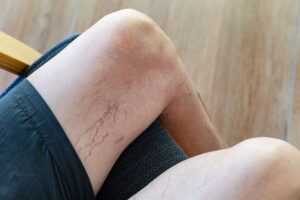
- Bluish or purple veins that become more prominent over time
- Redness or irritation that worsens after standing
- Swelling, heaviness, or aching
- Skin dryness or itchiness
These changes often develop gradually and may feel worse at the end of the day. If you’ve noticed swelling, pain, or visible veins along with discoloration, it’s a sign that a vein evaluation may be beneficial.
How Vein Disease Leads to Skin Discoloration
Vein disease can cause discoloration through a process called venous hypertension, which means high pressure in the veins. When blood pools in the lower legs, it increases pressure in the tiny blood vessels near the skin. Over time, this pressure can cause the vessels to break down and leak blood into surrounding tissues.
This leakage leads to:
- Iron deposits in the skin, which appear brown or rust-colored
- Inflammation, which can cause redness and irritation
- Skin thickening or dryness
- Increased risk of ulcers or wounds if left untreated
The key point is that discoloration is often a symptom of a deeper issue—so treating only the surface color won’t fully resolve the underlying vein problem.
When to Seek Help for Leg Discoloration
Not all color changes are urgent, but some signs indicate it’s time to get evaluated by a specialist. Consider scheduling an appointment if you notice:
- Persistent discoloration that does not improve with rest
- Swelling or heaviness in the legs
- Pain or cramping after standing or walking
- Skin that feels tight, itchy, or dry
- Any open sores or slow-healing wounds
If you’re experiencing rapid or severe discoloration, significant pain, or sudden swelling, it’s important to seek medical attention promptly. These could be signs of more serious circulation issues.
What Happens During a Vein Evaluation
Our vein specialist will take a detailed history and perform a focused exam to determine the cause of discoloration. The evaluation typically includes:
- A review of your symptoms and medical history
- Physical examination of the legs
- Assessment of skin changes and vein patterns
- Duplex ultrasound to evaluate blood flow
The ultrasound is especially important because it shows whether the veins are functioning properly and identifies any reflux or blockages. It also helps determine whether treatment is needed and which option is best for your condition.
Treatment Options for Vein-Related Discoloration
Treatment focuses on correcting the underlying vein problem and improving circulation. Depending on your diagnosis, options may include:
- Compression stockings to reduce swelling and improve blood flow
- Lifestyle changes like increased activity, leg elevation, and weight management
- Minimally invasive procedures such as:
- Endovenous laser therapy (EVLT)
- Sclerotherapy
When venous reflux is treated, pressure in the veins decreases, and discoloration often improves over time. Patients typically notice reduced swelling, less heaviness, and a gradual improvement in skin tone.
Caring for Your Skin While Treating Veins
Skin care is an important part of recovery and long-term improvement. To support healing and prevent further discoloration:
- Moisturize daily with a gentle, fragrance-free lotion
- Avoid harsh soaps and hot water, which can dry the skin
- Elevate your legs when possible to reduce pressure
- Stay active to improve circulation
- Wear compression stockings as directed by your specialist
These steps help protect the skin and support vein health while treatment addresses the root cause.
A Clear Path Forward With Miami Vein Institute
If your legs are changing color, you don’t have to wonder what it means or hope it goes away on its own. Miami Vein Institute specializes in identifying the root cause of discoloration and creating personalized treatment plans that address both symptoms and vein function. With a thorough evaluation, advanced diagnostic tools, and compassionate care, you can find relief and improve the health and appearance of your legs. If you’ve noticed persistent color changes, swelling, or discomfort, schedule a consultation to learn what’s happening and what options are right for you.
FAQ
What causes legs to change color?
Leg color changes can be caused by sun exposure, skin conditions, injury, medication, or circulation issues. Vein-related discoloration often results from blood pooling and vein valve dysfunction.
Why are my ankles turning brown?
Brown discoloration often occurs when blood leaks into the skin due to venous hypertension. Over time, iron deposits create a rust-colored appearance.
Is leg discoloration a sign of vein disease?
It can be, especially when accompanied by swelling, aching, or visible veins. A vein specialist can evaluate whether venous insufficiency is the cause.
Will treatment improve skin discoloration?
Yes, treating the underlying vein problem often reduces pressure and improves circulation, which can gradually improve skin tone. Improvement may take time depending on severity.
When should I seek urgent care for leg discoloration?
Seek urgent care if discoloration is sudden, severe, or accompanied by rapid swelling or significant pain. These could be signs of a more serious circulation issue.