Your first vein consultation is the moment you move from uncertainty to clarity about your vein health. You’ll share your symptoms, undergo a focused physical exam, and often receive diagnostic imaging that reveals what’s happening beneath the surface. At Miami Vein Institute, the goal is to create a personalized plan that matches your needs and lifestyle, whether you’re seeking relief from pain, swelling, or visible veins. If you’re ready to understand your vein health and explore treatment options, scheduling a consultation is the best first step toward comfort and confidence.
Your legs carry you through life, but vein issues can make standing, walking, or even resting feel uncomfortable. Knowing what to expect during your first vein consultation helps you feel calm, informed, and prepared to make decisions about your care. This step-by-step guide outlines what happens from check-in to treatment planning, so you can walk into your appointment with confidence.
What a First Vein Consultation Is and Why It Matters
A first vein consultation is more than a quick check-up. It’s a detailed appointment where a vein specialist listens to your concerns, reviews your medical history, examines your legs, and evaluates circulation. Vein issues like varicose veins and spider veins often reflect underlying venous insufficiency, where blood isn’t flowing efficiently back to the heart. Identifying the cause early helps guide treatment that improves symptoms and prevents progression.
This appointment also gives you the chance to build trust with your specialist, ask questions, and understand your options in a supportive environment.
How to Prepare Before Your Visit
Preparing before your appointment helps the process move smoothly and ensures the specialist has all the information needed for an accurate assessment.
Before your visit:
- Write down your symptoms: Note when you feel pain or swelling and what triggers it.
- Gather medical history: Include previous surgeries, blood clots, pregnancies, and medications.
- Bring prior imaging if you have it: Past ultrasounds or treatment records help your specialist compare and evaluate.
- Wear comfortable clothing: Loose pants or shorts make the physical exam easier.
- Make a list of questions: This helps you stay focused and ensure nothing is missed.
Arriving a few minutes early and having this information ready makes the visit feel efficient and thorough.
The Check-In and Initial Conversation
When you arrive, a staff member will confirm your information and help you complete intake forms. Then you’ll meet your vein specialist in a private exam room.
The initial conversation is where you explain what brought you in. Common concerns include:
- Visible veins or bulging varicose veins
- Leg heaviness, aching, or cramps
- Swelling at the end of the day
- Skin changes or discoloration
A good specialist asks detailed follow-up questions, such as whether symptoms worsen with standing or improve with elevation. These details help determine the likely cause and guide the exam and testing.
The Physical Exam: What the Doctor Looks For
Next comes a focused physical exam. Your specialist will inspect your legs while you stand and may ask you to walk or move to evaluate how your veins behave under pressure.
During the exam, the doctor checks for:
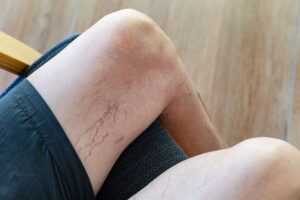
- Visible spider veins or varicose veins
- Swelling or fluid buildup
- Skin discoloration or irritation
- Areas of tenderness or discomfort
- Signs of poor circulation
This exam helps the specialist determine whether additional testing is needed, and it’s often the first clue that venous insufficiency may be present.
Diagnostic Imaging: Why Ultrasound Is Important
A key part of your first vein consultation is diagnostic imaging, typically a duplex ultrasound. This test allows the specialist to see how blood flows through your veins and whether valves are functioning properly.
A duplex ultrasound:
- Uses sound waves to map vein structure and flow
- Identifies reflux (backward blood flow)
- Detects blockages or vein damage
- Helps measure vein size and valve function
The ultrasound is painless and usually done during the same visit. It’s essential for diagnosing venous insufficiency and creating a treatment plan that targets the root cause—not just the surface appearance.
Treatment Options Explained in Plain Language
Once your exam and imaging are complete, your specialist will explain your diagnosis and outline treatment options. The goal is to match the plan to your symptoms, anatomy, and lifestyle.
Possible options include:
- Conservative care: compression stockings, lifestyle changes, and monitoring
- Minimally invasive procedures:
- Endovenous laser therapy (EVLT)
- Sclerotherapy
Your specialist will explain the benefits, risks, and expected recovery for each option. The conversation is designed to empower you to choose the path that feels right.
Creating a Personalized Plan and Next Steps
By the end of your consultation, you’ll have a clear plan that outlines:
- Recommended treatment or monitoring
- Scheduling details if a procedure is chosen
- Pre-appointment instructions
- Follow-up expectations
This plan is your roadmap for improved vein health and comfort. Because vein conditions can progress if left untreated, having a clear strategy helps you take control and move forward confidently.
What to Expect After the Consultation
It’s normal to feel relief after your first visit, but you may also have questions or want time to consider your options. That’s completely understandable. Review the materials you received, and don’t hesitate to reach out if you need clarification.
If you choose treatment, your team will walk you through next steps, recovery expectations, and follow-up care. The goal is to make the process as comfortable and predictable as possible.
Your Next Step With Miami Vein Institute
At Miami Vein Institute, your comfort and clarity matter. Your first vein consultation is designed to help you feel informed, supported, and confident in your care plan. The team takes the time to listen to your concerns, explain your diagnosis, and build a personalized path toward healthier legs. If you’re ready to address pain, swelling, or visible veins, schedule your first vein consultation today and take the first step toward lasting relief and renewed confidence.
FAQ
What should I bring to my first vein consultation?
Bring a list of your symptoms, medical history, and any previous vein imaging or treatment records. This helps the specialist make a thorough and accurate assessment.
Will the consultation include an ultrasound?
Most first vein consultations include a duplex ultrasound because it reveals how your veins function beneath the skin. The test is painless and provides crucial information for a treatment plan.
How long does a first vein consultation take?
A complete visit usually takes 45–60 minutes, including discussion, exam, and imaging. This allows time for questions and a detailed review of results.
Can I schedule a consultation without a referral?
In many cases, yes—you can schedule directly with a vein specialist. If your insurance requires a referral, the clinic can help you understand the process.
What if I’m not ready for treatment after the consultation?
That’s completely fine. The goal is to provide information and options so you can make a decision when you’re ready. You can also schedule follow-up visits or monitoring as needed.