Leg ulcers can develop quietly and become a painful, persistent problem, especially for people with chronic venous insufficiency or varicose veins. Knowing how to reduce risk of leg ulcers empowers you to make daily choices that protect circulation, skin integrity, and overall leg health. Simple lifestyle adjustments — from staying active and managing your weight to using compression therapy — can significantly decrease your chances of developing ulcers. If you’re concerned about vein health or have risk factors, consider reaching out to Miami Vein Institute to explore personalized prevention strategies.
For many people, leg ulcers start with underlying issues in the veins — especially when blood doesn’t circulate properly and pressure builds in the lower legs. Venous ulcers occur most often near the ankles where sustained venous hypertension and valve dysfunction lead to skin breakdown. By understanding both the causes and prevention strategies, you can take proactive steps to protect your legs and your comfort. Early attention to symptoms and risk factors is key to stopping ulcers before they start.
What Are Leg Ulcers and Why They Happen
Leg ulcers are open sores on the skin that fail to heal normally due to poor circulation in the veins of the lower leg. They’re commonly caused by venous insufficiency, a condition in which the one‑way valves in the leg veins don’t function properly, allowing blood to pool instead of returning efficiently to the heart. When this happens, pressure builds up in the veins, especially around the ankles, increasing the risk of skin breakdown and ulceration. These sores can become painful, inflamed, or infected if not addressed promptly.
A key contributor to venous ulcers is varicose veins — visibly enlarged, twisted veins that signal deeper issues with blood flow. Varicose veins and chronic venous insufficiency often go hand‑in‑hand, increasing stress on the vein walls and raising ulcer risk. Other factors such as smoking, obesity, prolonged sitting or standing, and a family history of vein disease also play a role in elevating risk.
The good news is that many of the same lifestyle habits that support overall wellness also help maintain healthy legs and reduce the risk of ulcers. You don’t have to wait for symptoms to worsen — taking action early can make a significant difference.
Daily Habits to Improve Circulation and Skin Health
Stay Active and Move Regularly
Movement is one of the simplest yet most effective ways to support blood flow in your legs. When muscles in your calves contract during walking, swimming, or cycling, they help pump blood back toward the heart. Aim for at least 30 minutes of low‑impact activity most days to keep circulation strong and reduce venous pressure — a key contributor to ulcer formation.
If you have a job or routine that keeps you sitting or standing for long stretches, set a timer to move every 30–60 minutes. Even brief walks or light stretches can prevent blood from pooling in the lower legs. Moving often also helps support a healthy weight and reduces stress on your veins.
Manage Weight and Lifestyle Factors
Carrying extra weight puts additional strain on your veins and increases the likelihood of venous reflux and high pressure in the lower legs. Keeping your weight in a healthy range — through a balanced diet and regular activity — helps reduce this stress and lowers ulcer risk.
Smoking is another major risk factor, as it constricts blood vessels and impairs circulation. Quitting smoking improves overall vascular health and reduces the risk of chronic venous disease and ulceration.
Support Vein Function With Compression
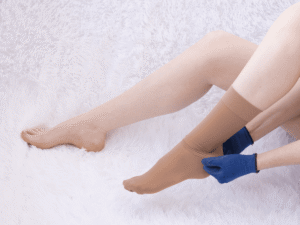
Compression stockings are a cornerstone strategy for reducing the risk of venous ulcers, especially if you have varicose veins or swelling. These specially fitted garments apply graduated pressure — tightest at the ankle and decreasing up the leg — to encourage blood flow upward toward the heart. This helps prevent blood from pooling and diminishes swelling and discomfort.
Wearing compression as recommended by a specialist — typically during the day — can help protect your legs if you’re at elevated risk. A healthcare provider can help you find the right size and pressure level for your needs.
Elevation and Skin Care: Gentle but Powerful Practices
Elevate Your Legs Throughout the Day
Raising your legs above heart level for short periods — such as when resting at home — helps facilitate blood return to the heart and reduces venous pressure. This practice can give your circulation a gentle boost and minimize fluid buildup that contributes to swelling and potential skin breakdown.
Even simple elevation for 15–30 minutes a couple of times daily can make a difference, especially after long periods of standing. Combine this with light movement for best results.
Keep Your Skin Clean and Intact
Healthy skin is your first line of defense against ulcers. Dry, cracked, or irritated skin is more vulnerable to injury and infection. Daily cleansing and moisturizing can help maintain the skin’s natural barrier and prevent problems before they begin.
Inspect your legs regularly for early signs of redness, dryness, swelling, or minor sores — especially if you have varicose veins or a history of poor circulation. Early attention to skin changes can prevent small issues from turning into persistent ulcers.
When to Seek Medical Support
Even with careful prevention, some people may still develop venous problems that require medical attention. If you notice persistent swelling, aching, significant skin changes, or wounds that do not heal within a few weeks, it’s wise to consult a vein specialist. Specialists use tools like ultrasound to assess circulation and may recommend treatments that address the underlying causes of venous insufficiency.
Treatments such as VenaCure EVLT — offered at Miami Vein Institute — can close malfunctioning veins and improve blood flow, which not only relieves symptoms but can also reduce the long‑term risk of complications like ulcers.
Prioritizing vein health through both lifestyle habits and professional care creates a solid defense against the development of ulcers, especially if you have risk factors like varicose veins.
Healthy Legs Start Here With Miami Vein Institute
At Miami Vein Institute, we understand that preventing painful leg ulcers starts with supporting healthy vein function and circulation. Our expert team works closely with each patient to identify risk factors and craft personalized plans — from lifestyle advice to advanced medical treatments — that reduce ulcer risk and enhance overall leg health. Whether you’re managing varicose veins, swelling, or changes in your skin, we offer compassionate guidance and effective solutions to help protect your legs for years to come. Reach out to our team to learn how you can strengthen your circulation and take proactive steps toward healthier legs today.
Frequently Asked Questions
What causes leg ulcers?
Leg ulcers often result from chronic venous insufficiency, where weak vein valves allow blood to pool, increasing pressure and causing skin breakdown. Varicose veins, swelling, and poor circulation are major contributors to ulcer development.
How can I reduce my risk of leg ulcers?
To reduce your risk, stay active, maintain a healthy weight, avoid smoking, and use compression stockings as recommended. Elevating your legs and caring for your skin also support healthy circulation and skin integrity.
Do compression stockings really help prevent ulcers?
Yes, compression stockings improve circulation by applying graduated pressure that encourages blood flow upward and prevents pooling in the lower legs. This support can significantly reduce swelling and ulcer risk.
Can ulcers heal on their own?
Some minor skin sores may heal, but true venous leg ulcers rarely heal without proper care and addressing underlying circulation problems. Early evaluation by a specialist improves healing and prevents complications.
When should I see a specialist about my veins?
See a vein specialist if you have persistent swelling, aching, changes in skin color or texture, or sores that don’t heal within a few weeks. Early assessment helps tailor prevention and treatment plans to protect your leg health.